PetroMar Survey Energy Market Intelligence for Industry Professionals

PetroMar Survey

Energy Market Intelligence for Industry Professionals

Latest Articles

Reading Between the Ledgers: Three Filing Patterns That Flag Trouble at Small Operators
Refining & Downstream

Reading Between the Ledgers: Three Filing Patterns That Flag Trouble at Small Operators

The most valuable intelligence on independent producers rarely appears in the headline numbers of a 10-Q. It hides in hedging footnotes, related-party disclosures, and the subtle drift in management's language. Here are three disclosure patterns that preceded real distress — and what they teach every operator about reading the competition.

Buyer Beware: An Audit Framework for the Market Data Your Firm Relies On
Market Intelligence

Buyer Beware: An Audit Framework for the Market Data Your Firm Relies On

Energy companies commit billions to capital decisions informed by third-party data most never think to audit. This scorecard evaluates the major US market intelligence sources on methodology, sample integrity, and transparency — and offers a rubric any firm can apply before renewing its next data subscription.

Sentiment Over Spreadsheets: What Operators on the Ground Know Before the Models Do
Market Intelligence

Sentiment Over Spreadsheets: What Operators on the Ground Know Before the Models Do

Wall Street consensus forecasts have missed the mark on crude prices by double digits in most years of the past decade. PetroMar Survey polling of drillers, refiners, and midstream operators suggests the most reliable forward indicator isn't a model — it's the mood on the ground.

Follow the Rack, Not the Rally: What Actually Sets Your Gas Price
Market Intelligence

Follow the Rack, Not the Rally: What Actually Sets Your Gas Price

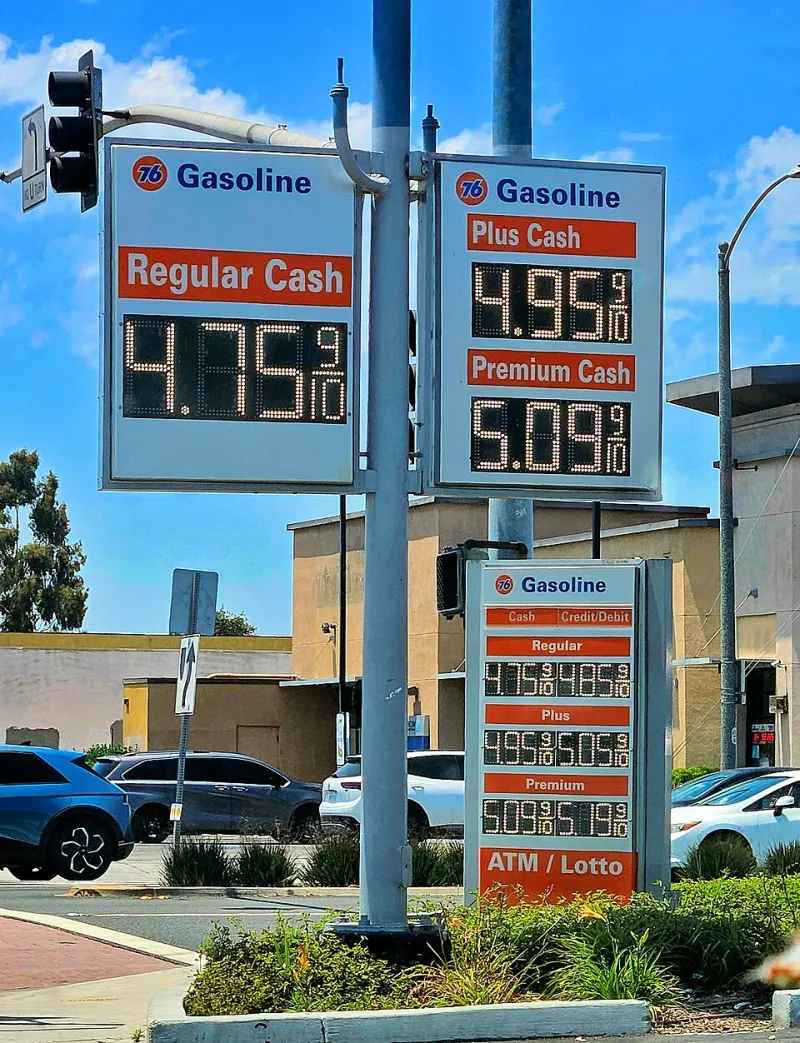
Drivers in the same state routinely pay prices that differ by 100% or more, and the usual political explanations fall short. The real drivers are terminal access, rack pricing, fuel taxes, and local supply disruptions — mechanics that market intelligence can map long before the pump sign changes.

Frontline Forecast: Inside the Numbers From Our 500-Respondent Petroleum Sentiment Survey
Market Intelligence

Frontline Forecast: Inside the Numbers From Our 500-Respondent Petroleum Sentiment Survey

PetroMar Survey polled 500 petroleum engineers, analysts, and executives across Houston, Midland, Denver, and Oklahoma City to capture what industry insiders actually expect from the next five years. The results reveal a striking gap between operational sentiment and Wall Street's published outlooks.

Five Terminals Winning the Export Race — and Two Showing Cracks
Refining & Downstream

Five Terminals Winning the Export Race — and Two Showing Cracks

Measured by throughput growth, expansion capital, and contract backlog, not all Gulf Coast export terminals are built for the same race. PetroMar Survey ranks the facilities best positioned to capture shifting global trade flows — and flags the ones that look overextended.

Blueprints That Burned: Accounting for the Billions Lost When US Oil and Gas Projects Never Left the Page
Market Intelligence

Blueprints That Burned: Accounting for the Billions Lost When US Oil and Gas Projects Never Left the Page

Tens of billions of dollars in upstream and midstream capital have quietly evaporated over the past five years as announced projects stalled, were shelved indefinitely, or were cancelled outright before a single pipe was laid. PetroMar Survey examines the regulatory headwinds, market dislocations, and internal governance failures that transformed ambitious project rosters into costly write-downs—and what the pattern reveals about capital discipline in today's investment climate.

Infrastructure at the Edge: Mapping the US Petroleum Assets Most Vulnerable to Permanent Write-Down
Market Intelligence

Infrastructure at the Edge: Mapping the US Petroleum Assets Most Vulnerable to Permanent Write-Down

A significant share of US oil and gas infrastructure is operating closer to economic obsolescence than balance sheets currently reflect. Drawing on utilization data, operational cost benchmarks, and commodity price stress tests, this analysis identifies which asset categories and regions face the steepest abandonment exposure over the next decade.

Drilled to the Limit: How the Permian Basin's Well Density Push Is Running Into the Law of Diminishing Returns
Market Intelligence

Drilled to the Limit: How the Permian Basin's Well Density Push Is Running Into the Law of Diminishing Returns

Aggressive infill drilling campaigns across the Permian Basin are encountering geological and economic thresholds that operators were slow to anticipate. Well interference, accelerated decline curves, and deteriorating capital efficiency are forcing a fundamental reassessment of high-density development strategies. PetroMar Survey examines the data behind the slowdown and what it means for the basin's long-term productivity outlook.

The Institutional Memory Crisis: Workforce Attrition in US Petroleum and What It Means for the Decade Ahead
Market Intelligence

The Institutional Memory Crisis: Workforce Attrition in US Petroleum and What It Means for the Decade Ahead

The US petroleum industry is confronting a deepening talent exodus that extends well beyond simple hiring gaps. Experienced engineers, geoscientists, and field operations professionals are departing at rates that outpace replacement pipelines, threatening project execution timelines and long-term competitive positioning. This analysis examines where the attrition is most acute, which operators are responding effectively, and what the workforce landscape may look like by the end of the decade.

Warm but Idle: The Hidden Cost of Mothballed Oil and Gas Equipment Across America's Production Landscape
Market Intelligence

Warm but Idle: The Hidden Cost of Mothballed Oil and Gas Equipment Across America's Production Landscape

Across US oil and gas operations, billions of dollars in drilling rigs, processing units, and separation equipment sit in a costly state of suspension—neither fully operational nor permanently retired. This capital limbo reflects a calculated industry bet on medium-term demand recovery, but the financial drag of maintaining idle assets is drawing increasing scrutiny from investors and analysts alike. PetroMar Survey examines the strategic logic—and the mounting risks—behind the decision to keep

Racing the Clock: Ranking US Oil Majors by Their Readiness to Exit Marginal Production Before 2030
Market Intelligence

Racing the Clock: Ranking US Oil Majors by Their Readiness to Exit Marginal Production Before 2030

As carbon pricing scenarios grow more credible and policy timelines compress, the question of which US oil majors can exit high-cost, emissions-intensive assets without destroying shareholder value has moved from theoretical to urgent. PetroMar Survey examines the balance sheet depth, portfolio composition, and strategic optionality that separate the well-positioned from the exposed. The gap between companies is wider than many investors currently appreciate.

Sorting the Survivors: A Decade-Out Assessment of Which US Petroleum Assets Will Retain Competitive Value
Market Intelligence

Sorting the Survivors: A Decade-Out Assessment of Which US Petroleum Assets Will Retain Competitive Value

Not every barrel in the ground is worth the same fight. As the energy transition accelerates and regulatory pressure compounds, US operators face a critical portfolio reckoning—determining which assets will generate defensible returns through 2035 and which are quietly becoming liabilities. PetroMar Survey examines the structural, regulatory, and commercial forces separating tomorrow's core holdings from today's sunk costs.

Waiting on Washington: How Federal Lease Uncertainty Is Forcing a Rethink of Upstream Capital Timelines
Market Intelligence

Waiting on Washington: How Federal Lease Uncertainty Is Forcing a Rethink of Upstream Capital Timelines

Unpredictable federal permitting cycles and erratic lease sale schedules have introduced a structural planning problem for US upstream operators that extends well beyond regulatory inconvenience. As administrative delays, litigation holds, and shifting policy priorities compound one another, exploration budgets and acreage strategies are being reengineered from the ground up. The operators best positioned to absorb this uncertainty are those who built geographic flexibility into their portfolios

Reserves on Paper, Wells in Waiting: The Widening Gap Between Reported Assets and Commercial Reality
Market Intelligence

Reserves on Paper, Wells in Waiting: The Widening Gap Between Reported Assets and Commercial Reality

SEC-reported proved reserves have long served as a cornerstone metric for evaluating upstream oil and gas companies, yet a growing body of evidence suggests these figures increasingly diverge from actual production timelines. Regulatory definitions, fixed price assumptions, and tightening capital budgets conspire to inflate balance sheet reserves well beyond what operators can realistically bring to market within a commercially meaningful window. For investors and analysts navigating US upstream

Still Flowing, Already Forsaken: The Economics Behind Voluntary Well Abandonments in America's Mature Basins
Market Intelligence

Still Flowing, Already Forsaken: The Economics Behind Voluntary Well Abandonments in America's Mature Basins

Across several of America's most established producing regions, operators are making the deliberate decision to walk away from wells that still generate revenue. Regulatory compliance burdens, escalating environmental liability exposure, and internal capital reallocation pressures are collectively redefining what 'profitable' actually means in the modern petroleum business.

Sorting the Serious from the Symbolic: A Capital Allocation Analysis of US Oil Companies Pursuing Hydrogen
Market Intelligence

Sorting the Serious from the Symbolic: A Capital Allocation Analysis of US Oil Companies Pursuing Hydrogen

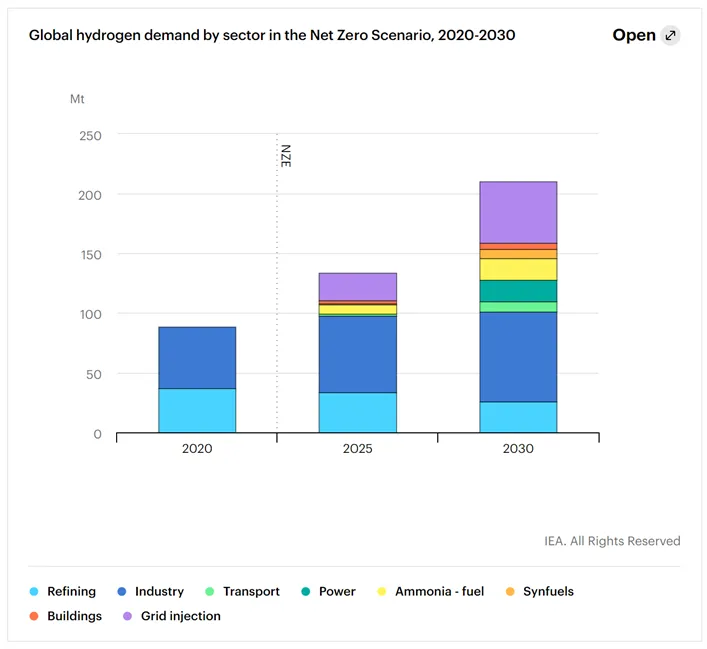
A growing number of US petroleum companies have announced hydrogen initiatives, but capital commitments and structural advantages vary enormously across the competitive landscape. PetroMar Survey examines which players have assembled the asset base, cost structure, and market access to generate genuine returns—and which are likely to exit quietly within the decade.

The Emissions Ledger: How Methane Intensity Standards Are Redrawing the Map of US Upstream Value
Market Intelligence

The Emissions Ledger: How Methane Intensity Standards Are Redrawing the Map of US Upstream Value

Tightening federal and state methane regulations are forcing upstream operators to confront a stark calculus: invest heavily in compliance infrastructure, absorb asset write-downs, or exit positions that no longer pencil out. As emissions performance data migrates from ESG footnote to core deal metric, the economics of US upstream production are undergoing a quiet but consequential restructuring.

The Second Life Question: Reassessing the True Value of Aging Conventional Fields in America's Mature Basins
Market Intelligence

The Second Life Question: Reassessing the True Value of Aging Conventional Fields in America's Mature Basins

As energy transition pressures mount and environmental compliance costs rise, operators across the United States are confronting a deceptively complex question: when does a legacy oil and gas field become a liability rather than an asset? PetroMar Survey examines the economic calculus driving hold-or-divest decisions in mature basins and what those decisions mean for investors and acquirers watching the deal landscape.

Pipelines, Not Drill Bits: How Takeaway Constraints Are Setting the True Ceiling on Permian Output
Market Intelligence

Pipelines, Not Drill Bits: How Takeaway Constraints Are Setting the True Ceiling on Permian Output

Drilling efficiency gains and reservoir advances have transformed the Permian Basin into America's premier production engine, yet the region's growth trajectory is increasingly governed not by what operators can extract from the ground, but by how efficiently crude can move out of it. PetroMar Survey examines the pipeline chokepoints, export logistics pressures, and infrastructure capital races quietly shaping the basin's long-term output potential.