Follow the Rack, Not the Rally: What Actually Sets Your Gas Price
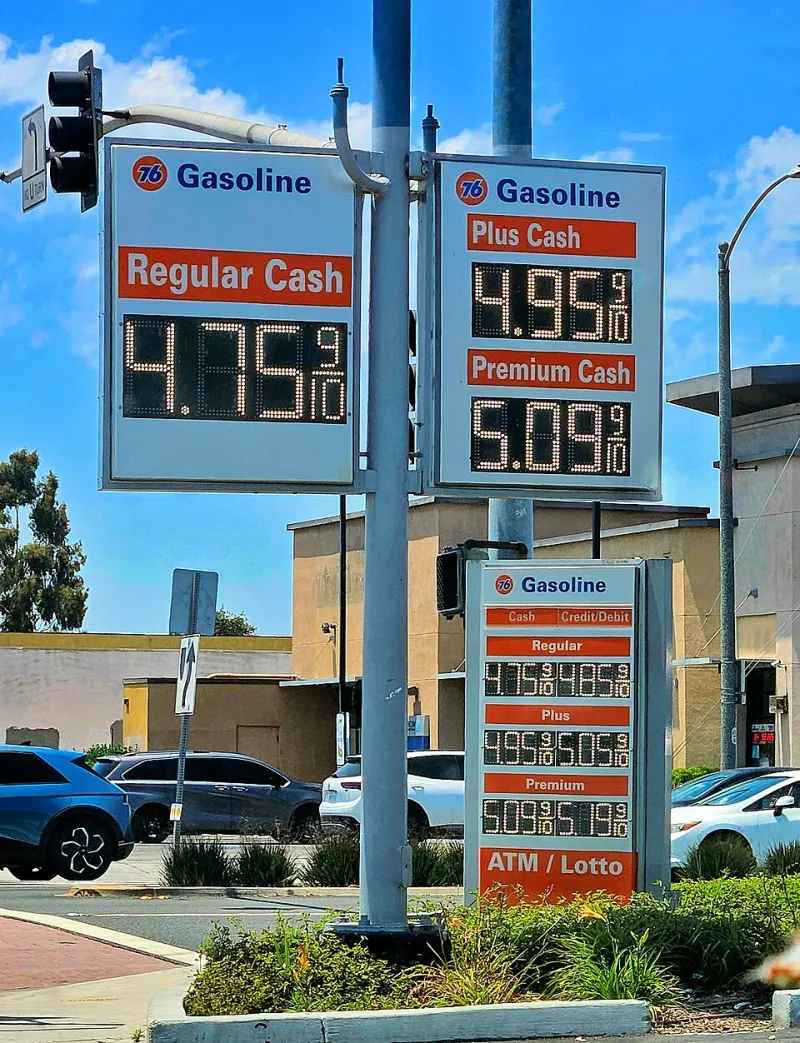
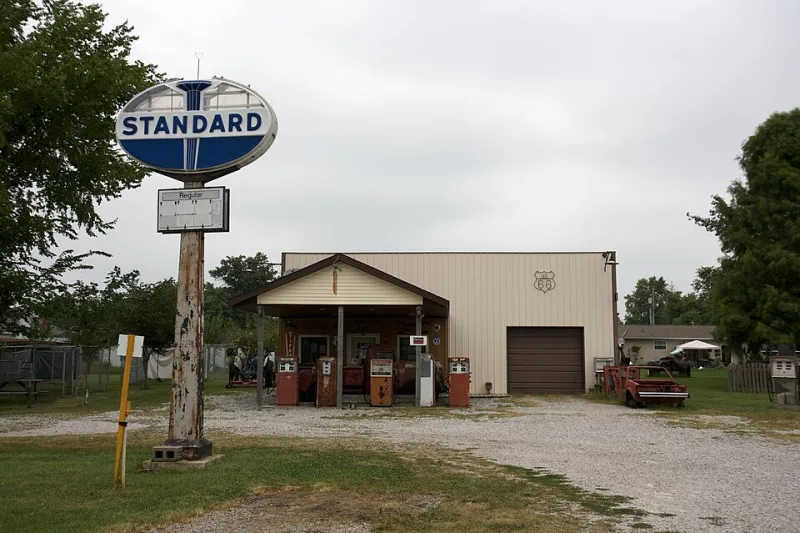
Photo: Eric Polk, CC BY-SA 4.0, via Wikimedia Commons
Two stations, ten miles apart, same state, same brand: a difference of a dollar and a half per gallon. Every American motorist has seen it, and every election season revives the same tired explanations — greedy oil companies, obstructive regulators, or whichever party happens to hold the governor's mansion. The evidence says otherwise. The variance is real, it is large, and it is overwhelmingly explained by downstream mechanics that have nothing to do with politics.
The Tax Floor Comes First
Begin with the least glamorous input: state and local fuel taxes. Within a single state, county-level option taxes and local add-ons can create a base differential of 10 to 30 cents per gallon before a drop of gasoline is even priced. In states like California and Illinois, where local jurisdictions layer taxes on top of state levies, the floor alone explains a meaningful share of intra-state spread. This is measurable, published, and entirely deterministic — yet it is routinely omitted from pump-price commentary.
Rack Pricing and the Tyranny of Distance
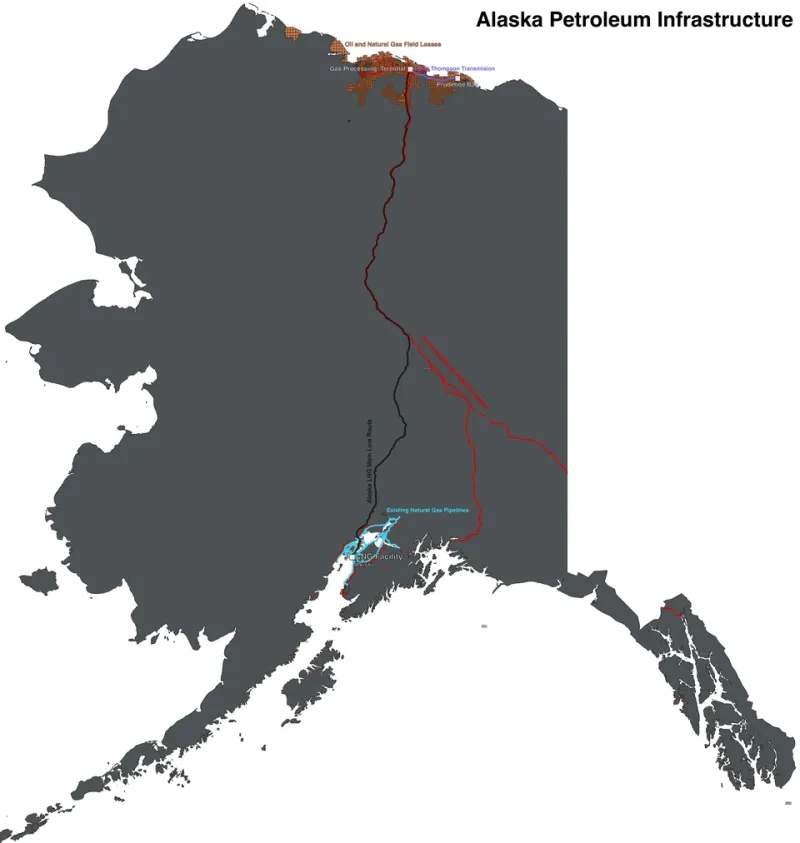
Wholesale gasoline changes hands at the rack — the loading rack at a fuel terminal where jobbers and retailers fill their trucks. The price at that rack reflects the local supply-demand balance at that exact point, not a state average. A terminal served by a single products pipeline can price materially above a terminal 80 miles away that enjoys competition from multiple refiners and import sources.
Distance compounds the effect. Every mile a tanker truck hauls product costs money, and remote markets — mountain towns, agricultural regions, areas beyond pipeline-served corridors — pay that freight. In states with wide geography and sparse terminal networks, a 40-to-60-cent spread between metro and rural racks is unremarkable.
Outages That Never Make the News
Refinery and pipeline disruptions are the least visible and most powerful driver. A unit turnaround at a regional refinery, a products pipeline allocation, or a terminal outage can tighten local supply within days. Because branded stations are contractually bound to sell their allocated supplier's product, a localized disruption can strand an entire metro area at elevated prices while the neighboring region — supplied by a different pipeline system — sees nothing.
California's infamous price spikes following refinery incidents illustrate the extreme case: an isolated market with limited import flexibility reacts violently to lost supply. But the same mechanics operate at smaller scale in every state, and most consumers never learn a disruption occurred.
The Brand Premium and Zone Pricing
Finally, there is the retail layer itself. Branded fuel contracts, station-level real estate costs, and what the industry calls zone pricing — differentiated wholesale prices by micro-market — add deliberate, rational variance. A station next to a freeway exit charges what that traffic will bear; a station two blocks away charges less. This is not collusion; it is standard retail segmentation applied to a commodity with near-zero brand loyalty.
The Case for Market Intelligence Over Outrage
Our argument is straightforward: the pump price a consumer sees is the output of a logistics and contracting system, and that system can be mapped. Terminal locations, pipeline connectivity, rack spreads, tax schedules, and outage reports explain the overwhelming majority of intra-state variance. Political narratives explain almost none of it.
For fleet operators, distributors, and retailers, this is not an abstract point — it is margin. Organizations that track rack differentials and terminal utilization can time purchases, route procurement, and hedge exposure with a precision that political commentary never offers. The price sign at the corner station is not a statement about anyone's agenda. It is a receipt from the supply chain, and like any receipt, it can be read, itemized, and anticipated.